What to Pack in Your Golf Bag: A Essential Guide for Beginners
Stepping onto the first tee can be intimidating. This comprehensive guide details exactly what to pack in your golf bag to ensure you are prepared for every situation on the course.
Parspun is reader-supported. When you buy through links on our site, we may earn an affiliate commission at no extra cost to you.
Parspun publishes independent golf advice. Some pages on this site contain affiliate links.
Stepping onto a golf course for the first time can be intimidating, but being well-prepared is the easiest way to feel like a seasoned regular. Beyond just your clubs, a properly packed golf bag ensures you are ready for equipment malfunctions, changing weather, and standard course etiquette. This guide breaks down the essential gear, attire, and accessories every player should carry to navigate eighteen holes successfully.
The Essential Equipment Core
Before you worry about the extras, you must ensure the functional core of your bag is solid. These are the tools that allow you to play the game according to the rules and maintain your equipment throughout the round.
Clubs and Headcovers
The Rules of Golf allow you to carry a maximum of 14 clubs. While beginners may not need a full set, ensure that every wood, hybrid, and putter has a protective headcover. These covers prevent the "chatter" of clubs hitting each other while walking or riding, which can lead to unsightly dings or even structural damage to graphite shafts. Organize them by length so you can quickly identify the club you need without rummaging.
Golf Balls: How Many Do You Really Need?
The number of golf balls you should carry depends largely on the layout of the course. If the course features heavy woods or significant water hazards, a beginner should consider carrying between 12 and 18 balls. While this may seem like a lot of weight, the psychological peace of mind knowing you won't run out mid-round is invaluable. As you improve, you can reduce this number to a sleeve or two.
Choosing the Right Tees
It is best to carry a variety of tee lengths. Longer tees are essential for modern, large-chassis drivers, while shorter tees are better for par-3 holes where you might use an iron or hybrid. Wood tees are traditional and biodegradable, though plastic tees are often more durable and less likely to snap on impact. Keep a handful in your pocket for easy access and the rest in a dedicated accessory pouch.
On-Course Accessories for Playability
Success on the course often comes down to the details. Having the right small tools can help you maintain the course and keep your equipment performing as intended.
Microfiber Towels for Clubs and Balls
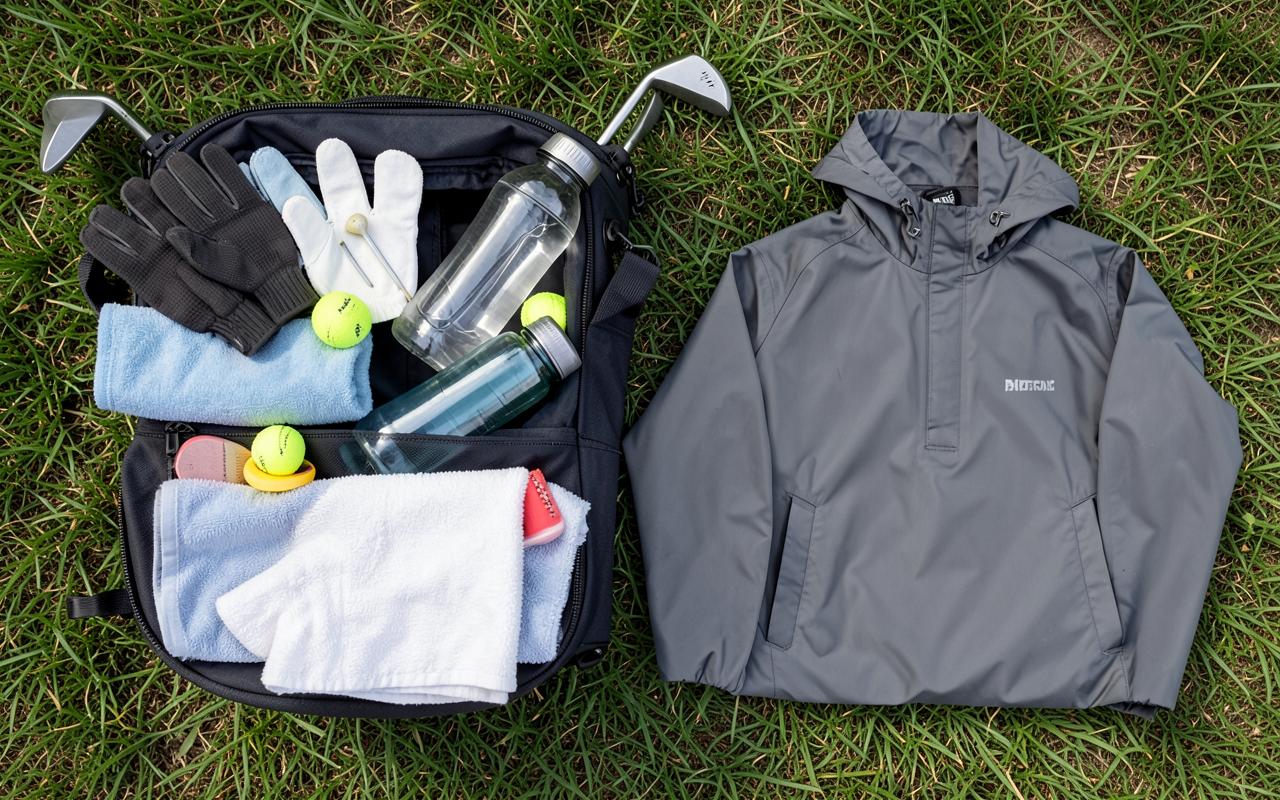
Clean grooves are vital for generating spin and control. A high-quality microfiber towel is superior to cotton because it traps dirt and moisture more effectively. Many golfers prefer a "wet-dry" method: dampen one end of the towel to scrub away mud and grass, and use the dry end to wipe the clubface clean. Remember to also wipe your ball on the green to ensure a true roll on your putts.
Divot Repair Tools and Ball Markers
Etiquette is the backbone of golf. A divot repair tool is non-negotiable for fixing pitch marks on the green. Learning how to properly push the turf toward the center of the mark (rather than lifting it) helps the grass heal faster. Additionally, always carry a few flat ball markers. While a coin works in a pinch, a dedicated flat marker ensures you don't obstruct the putting line of your playing partners.
The Importance of a Rangefinder or GPS Device
Guessing distances is one of the quickest ways to inflate your score. Whether it is a laser rangefinder or a wearable GPS watch, having accurate yardage to the front, middle, and back of the green helps you select the right club with confidence. For beginners, a GPS unit is often more helpful as it provides a bird's-eye view of hazards that might not be visible from the fairway.
Apparel and Weather Preparation
A round of golf typically takes four to five hours. During that time, the weather can shift dramatically. Being caught unprepared can lead to discomfort and a loss of focus.
Packing for Unpredictable Rain
Even if the morning forecast looks clear, a lightweight, packable rain jacket is a smart addition to the large side pocket of your bag. Look for materials that offer mechanical stretch so your swing isn't restricted. If space allows, a rain cover for your bag will keep your grips dry—a crucial factor in maintaining control during a downpour.
Spare Socks and Footwear Considerations
Few things ruin a round faster than wet feet or a hot spot that turns into a blister. Carrying an extra pair of moisture-wicking socks can be a lifesaver if you step in a soft bog or play through morning dew. Additionally, ensure your golf shoes are clean and the spikes are in good condition before you leave the house.
Layering for Early Morning Tee Times
Early starts often mean chilly temperatures that warm up by the back nine. A lightweight quarter-zip or a windbreaker is the standard choice. The key is to choose layers that are specifically designed for golf, featuring high armholes and stretch fabrics that won't bunch up during your follow-through.
Sun and Insect Protection
The health risks of prolonged sun exposure are significant. Your golf bag should act as a mobile station for skin protection.
Applying and Storing Sunscreen
Opt for a non-greasy formula or a sunstick. Greasy hands can cause the club to slip during the swing, which is both dangerous and frustrating. Apply sunscreen at least 20 minutes before heading to the first tee and reapply at the turn (after nine holes).
Lip Balm with SPF
Lips are often overlooked but are highly susceptible to windburn and sun damage. A simple stick of SPF-rated lip balm takes up negligible space but provides essential comfort during a long day in the elements.
Bug Repellent for Wooded Courses
If your local course is lined with trees or features standing water, gnats and mosquitoes can become a major distraction. A small travel-sized bottle of repellent or repellent wipes can prevent you from swatting away insects while trying to concentrate on a difficult putt.
Hydration and Nutrition Essentials
Golf is a physical activity that requires sustained mental focus. Dehydration and low blood sugar are the primary causes of the "back-nine fade."
Water Bottles and Electrolytes
While most courses have water stations, they aren't always conveniently located. Carry a reusable insulated water bottle that can keep liquids cold for several hours. Adding an electrolyte powder packet to your water can help replace salts lost through sweat, especially during humid summer rounds.
Non-Perishable, High-Energy Snacks
Avoid the "hot dog at the turn" whenever possible. Instead, pack snacks that provide slow-releasing energy. Raw almonds, beef jerky, or protein bars are excellent choices. These provide the protein and healthy fats needed to keep your energy levels stable through the final holes.
Avoiding Foods That Melt or Mess
Chocolate-covered granola bars or soft fruits like bananas can become a disaster in a hot golf bag. Bananas, in particular, are notorious for getting squashed and staining the interior of a bag. Stick to items in durable packaging or hard containers that can withstand some jostling.
The Golfer's First Aid Kit
You don't need a full trauma center, but a few specific medical items can prevent a minor annoyance from ending your day early.
Blister Prevention and Treatment
New shoes or an increase in walking can lead to friction. Carry "moleskin" or specialized blister bandages. Applying these as soon as you feel a "hot spot" can prevent a blister from forming entirely.
Pain Relief Basics
General aches or a sudden headache can strike at any time. A small travel tin containing ibuprofen or acetaminophen is standard equipment for many regular players.
Athletic Tape for Grip Support
Athletic tape or "finger tape" is useful for protecting areas where the club rubs against your skin. It can also be used to provide extra support to a sore wrist or to keep a bandage in place during the high-velocity motion of a swing.
Miscellaneous Must-Haves
These small items don't fit into a specific category but are essential for the logistical side of the game.
Permanent Markers for Identifying Balls
According to the Rules of Golf, you should put an identifying mark on your ball so you can be sure it is yours when you find it in the rough. A simple dot or initials in a bright permanent marker color will suffice. It prevents the embarrassment of playing the wrong ball, which results in a penalty.
Scorecard Holders and Writing Utensils
While many golfers use apps, a physical scorecard is still the standard for many. A leather or synthetic scorecard holder protects the card from sweat and rain. Always carry at least two pencils with erasers; they are notoriously easy to lose.
Emergency Cash for the Beverage Cart
While most modern courses accept credit cards, the beverage cart roaming the course may sometimes have connectivity issues in remote areas of the property. Carrying a small amount of cash in five and ten-dollar denominations ensures you can always grab a drink or tip the cart attendant.
Organizing Your Bag for Efficiency
How you pack is just as important as what you pack. An unorganized bag leads to frustration and wasted time.
Distributing Weight for Walkers
If you plan to carry your bag, weight distribution is key. Place heavy items like balls and full water bottles in the pockets closest to the spine of the bag. This keeps the center of gravity near your body, reducing strain on your shoulders and lower back.
Strategic Pocket Utilization
Dedicate specific pockets for specific items. For example, use a small velvet-lined pocket for your phone and watch, a large side pocket for apparel, and a front-facing pocket for tees and balls. Knowing exactly where each item lives allows you to grab what you need without slowing down the pace of play.
Clearing Out the Clutter Post-Round
At the end of your round, take five minutes to clear out trash, empty water bottles, and remove damp towels. Leaving a wet towel in a closed bag can lead to mildew. Regularly purging old scorecards and broken tees will keep your bag light and functional for your next outing.
Selection Criteria for Gear
When choosing the items to go into your bag, prioritize utility and weight. A common mistake for beginners is over-packing "just in case" items that they never use, resulting in a bag that is too heavy to carry comfortably. Focus on items that serve multiple purposes—such as a towel that can clean both clubs and hands—and choose travel-sized versions of toiletries to save space. Always check the weather forecast two hours before your tee time to make final adjustments to your apparel choices.
Frequently Asked Questions
How many golf balls should a beginner carry?
A beginner should typically carry between 12 and 18 balls. This accounts for potential losses in hazards while ensuring you don't run out before the 18th hole. As your accuracy improves, you can safely reduce this number to 6 or 9.
Is it necessary to carry a rain jacket if the forecast is clear?
Yes, especially in climates where afternoon sun-showers are common. A lightweight, packable rain shell takes up very little space and provides a vital layer of protection against wind and unexpected temperature drops.
What is the best way to mark my golf ball?
Use a permanent marker to create a unique identifiable pattern, such as three dots around the brand name or your initials. This is a requirement in many competitive formats and a good habit for casual play to avoid confusion with other players' balls.
Should I carry my own snacks or rely on the clubhouse?
It is always safer to carry your own snacks. Clubhouse options can be limited, expensive, or closed depending on your tee time. Having high-protein, non-perishable snacks in your bag ensures your energy stays consistent regardless of course amenities.
How do I prevent blisters during a long round?
The best prevention is wearing high-quality, moisture-wicking socks and properly fitted shoes. If you feel a hot spot developing, apply athletic tape or a blister bandage immediately to stop the friction before a blister forms.
Conclusion
Being a prepared golfer is about more than just having the right clubs. By following this checklist and organizing your bag for efficiency, you remove the stress of the unknown. When you know you have the tools to handle a sudden rain shower, a lost ball, or a mid-round energy slump, you can focus entirely on your game and enjoy your time on the course. Pack smart, stay organized, and you will find that the game of golf is much more manageable.
What we like
- Clear spec differences that affect ball flight
- Options across a wide price range
- Widely available in US retail
Things to consider
- Fitting matters more than model names
- Premium tiers add cost for small gains
- Stock and pricing vary by season
Frequently asked questions
Parspun Editorial Team
The Parspun editorial team writes plain-English gear guidance for everyday golfers, focused on specs, fit and value rather than hype.
Get the next guide first
Occasional emails with new gear guides. Double opt-in, unsubscribe anytime.


