How to Pack a Golf Bag for Travel: A Complete Guide
Preparing for a golf trip involves more than just booking tee times; it requires a strategic approach to packing your equipment. This guide provides a step-by-step process for organizing your bag and safeguarding your gear.
Parspun is reader-supported. When you buy through links on our site, we may earn an affiliate commission at no extra cost to you.
The information provided in this guide is intended for educational purposes to help golfers protect their equipment during transit. Procedures may vary based on specific airline policies and equipment manufacturer guidelines.
Essential Preparation Before Packing
Preparing for a golf trip involves more than just booking tee times; it requires a strategic approach to packing your equipment. Before you start placing clubs into your travel case, you must establish a baseline of what you are carrying and how it will be transported. A systematic approach to preparation reduces the risk of equipment damage and helps avoid unexpected fees at the airport check-in counter.
Inventory Your Gear
The first step in learning how to pack a golf bag for travel is conducting a thorough inventory. Lay out every club, accessory, and piece of apparel you intend to bring. This is the ideal time to remove items you rarely use on the course. Do you really need eighteen golf balls for a three-round trip? Are you carrying two different rain jackets? Every ounce matters when you are trying to stay under airline weight thresholds. Verify that your set is complete and that all club heads, especially adjustable ones, are securely fastened before you begin the breakdown process.
Check Airline Weight Limits
Most major U.S. carriers have a standard weight limit of 50 pounds for checked sports equipment. While this sounds generous, a heavy staff bag combined with a robust travel cover and a full set of clubs can quickly approach this limit. If you exceed the weight limit, you may face significant overweight baggage fees, which can sometimes exceed the cost of the flight itself. Check current price structures for oversized and overweight luggage on your airline's website before you arrive at the terminal.
Selecting the Right Travel Cover Type
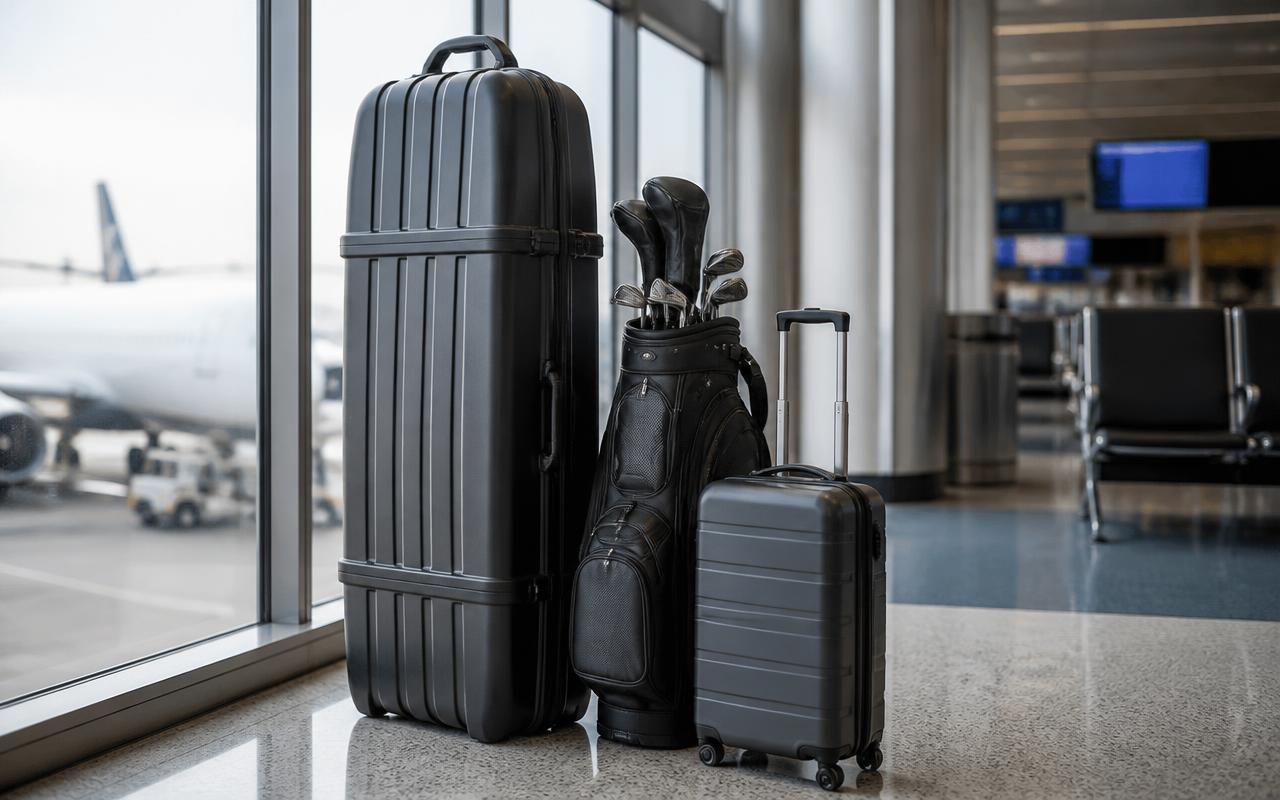
There are two primary categories of travel covers: hard-shell and soft-sided. Hard-shell cases offer maximum impact protection but can be difficult to fit into smaller rental cars. Soft-sided bags are more common among amateur golfers because they are lighter and easier to store, but they require more internal padding to ensure the safety of the clubs. Regardless of which style you choose, ensure the wheels are in good condition and the zippers are functional before you begin packing.
Step-by-Step Club Protection Strategies
The most vulnerable part of a golf club during travel is the shaft, particularly near the hosel or where the shaft meets the club head. Most breakages occur when a bag is dropped vertically, causing the clubs to shift and snap under the weight of the heads.
Removing Wood and Hybrid Heads
Modern adjustable drivers, fairway woods, and hybrids have revolutionized travel safety. Use your torque wrench to remove the club heads from the shafts. Once removed, wrap the heads in headcovers or bubble wrap and store them in the large side pocket of your golf bag or in your carry-on luggage. Label the shafts with painter's tape to ensure you reattach the correct head to the correct shaft. If your clubs are not adjustable, you must provide significant extra padding around the heads.
Securing Irons and Wedges
Irons are less prone to snapping than graphite-shafted woods, but they can clatter together, leading to unsightly nicks and scratches. To prevent this, weave a large bath towel through the iron heads. This keeps them immobilized. Alternatively, you can use iron headcovers specifically for travel. Ensure the irons are packed tightly so they cannot move independently when the bag is shaken.
The Role of Stiff Arms and Support Poles
A support pole, often referred to as a "stiff arm," is a telescopic metal or plastic rod that is longer than your longest club. It is placed inside the bag to take the brunt of any vertical impact. If the bag is dropped on its head, the support pole absorbs the force rather than your driver shaft. This is widely considered the single most effective way to prevent club breakage in a soft-sided travel case.
Maximizing Space and Weight Efficiency
How you distribute items within the bag affects both the safety of the equipment and the ease with which you can roll the bag through a crowded airport terminal.
Optimal Placement of Golf Balls and Accessories
Golf balls are surprisingly heavy. Instead of leaving them in the ball pocket at the bottom of the bag, consider moving them to a central pocket or even your carry-on if weight is an issue. Small accessories like tees, repair tools, and gloves should be gathered into a single zippered pouch to prevent them from migrating to the bottom of the travel cover where they can be difficult to retrieve.
Distributing Weight for Better Maneuverability
Try to keep the heaviest items toward the center or bottom (near the wheels) of the travel cover. A top-heavy bag is prone to tipping over and is much harder to pull. If you are packing shoes, place them in the dedicated shoe pockets or near the base of the bag to act as a stable foundation.
Strategic Use of Apparel for Extra Padding
One of the best ways to pack a golf bag for travel is to use your golf clothing as protective padding. Instead of packing all your polos and trousers in a suitcase, wrap them around the shafts of your clubs. This provides a soft buffer and saves space in your primary luggage. Rain gear is particularly effective for wrapping around the top of the bag to provide an extra layer of shock absorption for the club heads.
Organizing the Interior of Your Bag
A well-organized bag is a protected bag. When items are loose, they create friction and movement, which are the primary enemies of safe transit.
Grouping Clubs by Length
When placing clubs back into the bag, group them by length. Keeping the shorter irons together and the longer woods together (if the heads are still attached) creates a more uniform profile. This makes it easier to wrap them securely with a towel or specialized strap.
Securing Loose Items in Pockets
Check every pocket of your golf bag. Remove any liquids, such as sunscreen or water bottles, which could leak under pressure changes in the cargo hold. Ensure all zippers on the golf bag itself are fully closed so that items don't spill out into the main cavity of the travel cover.
Internal Strapping and Stabilization
Most high-quality travel covers include internal cinch straps. Do not ignore these. Once your golf bag is inside the cover, tighten the straps around the bag to prevent it from shifting. If your cover does not have these, you can use a luggage strap or even a piece of rope to secure the bag to the internal frame or padding of the cover.
Managing Technology and Valuables
Golfers today carry a significant amount of expensive technology. These items require special handling during air travel.
Handling Rangefinders and GPS Units
Never leave a laser rangefinder or a handheld GPS unit in your golf bag. These devices are sensitive to both temperature extremes and physical shock. Furthermore, they are high-value items that are better kept in your carry-on luggage where you can monitor them. The same applies to high-end watches or launch monitors.
Protecting Spare Batteries
If you carry spare lithium-ion batteries for your rangefinder or other devices, be aware of FAA regulations. Generally, spare lithium batteries must be carried in your carry-on baggage and are prohibited in checked luggage due to fire safety risks. Always check the current airline and TSA regulations regarding battery transport before heading to the airport.
Storing Personal Identification and Documents
While you should have your primary identification on your person, it is wise to place a business card or a document with your contact information inside one of the golf bag pockets. In the event that the external luggage tag is torn off, this internal identification will help the airline return the bag to you.
Navigating the Airport with Your Golf Bag
Once your bag is packed, the logistical challenge of moving it through the airport begins. Proper technique can prevent physical strain and damage to the bag.
Effective Lifting Techniques
A fully loaded golf travel cover is an awkward, heavy object. When lifting it into a vehicle or onto a luggage scale, always bend at the knees and keep the bag close to your body. Use the handles located at the top and bottom of the bag to maintain control. Avoid lifting by the shoulder strap alone, as the weight can cause the strap or the mounting points to fail.
Utilizing Wheels and Handles
Most travel covers feature inline skate wheels or multidirectional spinners. Allow the wheels to do the work. If you have a soft-sided bag, pulling it at a lower angle often makes it feel lighter and more stable. If your bag has multiple handles, use them to maneuver through tight spaces like elevators or shuttle buses.
What to Do at the Oversized Luggage Counter
After checking in at the main counter, you will usually be directed to an "Oversized Luggage" or "Special Items" drop-off point. Do not simply leave your bag in a pile. Wait until a TSA agent or airline representative acknowledges the bag. In some airports, they may perform a manual inspection in your presence. Be prepared to open the bag if requested.
Post-Flight Equipment Inspection
The process isn't over when you land. A quick inspection at the baggage claim can save you a lot of headache later.
Checking for Structural Damage
Before leaving the airport, unzip your travel cover and inspect the golf bag and clubs. Look for cracks in the shafts, bent hosels, or damage to the travel cover itself. If you find damage, you must report it to the airline's baggage office immediately. Most airlines will not honor damage claims once you have left the airport premises.
Reassembling Club Heads Properly
When you arrive at the course, use your torque wrench to reattach any heads you removed. Ensure you hear the "click" that indicates the head is fully seated and torqued to the manufacturer's specification. Double-check that no debris has entered the hosel during transit, as this can prevent a secure fit.
Addressing Issues with the Airline
If your bag is lost or delayed, file a report before leaving the airport. Get a claim number and the contact information for the local baggage office. Many airlines now offer digital tracking through their mobile apps, which can provide peace of mind while you wait for your gear to arrive.
Selection Criteria for Packing Materials
When choosing how to pack a golf bag for travel, consider these criteria for your materials:
- Durability: Choose travel covers with reinforced bases and high-denier fabrics.
- Padding Thickness: Ensure any internal padding is thick enough to withstand compression.
- Weight: Prioritize lightweight protective gear to maximize your actual equipment allowance.
- Security: Use TSA-approved locks to secure your zippers while allowing for official inspections.
Pro Tips for Stress-Free Golf Travel
Small additions to your routine can make a big difference in the success of your trip.
AirTag and GPS Tracking Placement
Placing a small Bluetooth tracking device, like an AirTag, inside a hidden pocket of your golf bag is a game-changer. It allows you to see if your bag made it onto the plane or if it is still sitting on the tarmac, providing invaluable information if you need to speak with a gate agent.
Distinguishing Your Bag with Identifiers
Many golf travel covers look identical, especially the popular black models. Attach a bright ribbon, a unique luggage tag, or even a piece of colored duct tape to the handle. This helps you spot your bag quickly on the carousel and prevents other golfers from accidentally grabbing your gear.
Weather Preparation for Your Destination
Packing for travel also means packing for the destination's climate. If you are traveling from a dry climate to a humid or rainy one, ensure you have packed a rain hood and a towel that stays dry. Checking the long-range forecast 48 hours before departure allows you to make final adjustments to your apparel without overpacking.
Frequently Asked Questions
Should I remove the heads from my adjustable woods?
Yes, removing the heads is highly recommended. It significantly reduces the risk of the shaft snapping at the hosel, which is the most common form of travel-related club damage. Store the heads in a padded pocket or your carry-on.
How do I prevent my golf bag from exceeding weight limits?
Weigh your bag at home using a luggage scale before leaving for the airport. If you are close to the 50-pound limit, move heavy items like golf balls, shoes, or large umbrellas to your checked suitcase or carry-on bag.
What is the best way to protect iron hosels during transit?
The most effective way to protect iron hosels is to immobilize the club heads. Weave a thick towel between the heads or use individual iron covers to prevent them from striking each other during movement.
Can I pack my golf shoes inside the travel bag?
Yes, you can pack golf shoes inside the travel bag. In fact, placing them at the bottom near the wheels can provide extra stability. However, ensure they are in a shoe bag to prevent grass and dirt from getting onto your clubs or clothing.
Is it necessary to use a stiff arm or backbone protector?
While not strictly "necessary," a stiff arm is the most affordable insurance policy you can buy for your clubs. It acts as a structural shield, ensuring that any vertical force applied to the bag is absorbed by the protector rather than your expensive driver shaft.
How should I handle my rangefinder during a flight?
You should always carry your rangefinder in your carry-on luggage. The sensitive optics and electronics can be damaged by the rough handling or extreme temperatures associated with checked baggage.
Conclusion
Knowing how to pack a golf bag for travel is a fundamental skill for any golfer looking to explore new courses. By taking the time to remove adjustable club heads, utilizing internal padding, and managing your weight limits effectively, you can ensure that your equipment arrives in the same condition it left. A little extra effort during the packing stage leads to a much more relaxed experience at the airport and, more importantly, a better start to your golf vacation. Safe travels and hit them straight!
What we like
- Clear spec differences that affect ball flight
- Options across a wide price range
- Widely available in US retail
Things to consider
- Fitting matters more than model names
- Premium tiers add cost for small gains
- Stock and pricing vary by season
Frequently asked questions
Parspun Editorial Team
The Parspun editorial team writes plain-English gear guidance for everyday golfers, focused on specs, fit and value rather than hype.
Get the next guide first
Occasional emails with new gear guides. Double opt-in, unsubscribe anytime.


