How to Clean Golf Clubs: The Ultimate Maintenance Guide
Properly maintained golf clubs aren't just for show—they are essential for spin control and consistent ball flight. This guide covers the best techniques for cleaning every club in your bag.
Parspun is reader-supported. When you buy through links on our site, we may earn an affiliate commission at no extra cost to you.
Parspun publishes independent golf advice. Some pages on this site contain affiliate links.
Why Regular Club Maintenance Matters for Your Game
Maintaining your golf clubs is about more than just aesthetics; it is essential for consistent performance on the course. In the world of golf, the interaction between the clubface and the ball is where the magic happens. When that interaction is compromised by debris, your scores will likely reflect it.
The Impact of Clean Grooves on Spin Control
The grooves on your irons and wedges are engineered to channel away water, grass, and dirt, much like the treads on a tire. When these grooves are packed with dried mud or sand, the club cannot effectively grip the cover of the golf ball. This lack of friction leads to "flyers"—shots that come off the face with significantly less spin than intended, causing the ball to sail over the green or fail to stop upon landing. By keeping your grooves sharp and clear, you ensure that your equipment performs to its manufactured specifications.
Preventing Rust and Long-Term Corrosion
Golf clubs are exposed to a variety of harsh elements, including fertilizers, pesticides, and varying moisture levels. If left on the clubhead, these chemicals can react with the metal, leading to pitting and rust. While some clubs are designed to rust (often called "raw" finishes), most modern equipment relies on chrome or PVD coatings for protection. Once rust begins to compromise these layers, it can be difficult to stop, potentially weakening the structural integrity of the club over several years.
Protecting Your Equipment Investment
A high-quality set of golf clubs is a significant financial investment. Regular cleaning preserves the finish and prevents the premature wear that leads to lower resale values. Beyond the money, there is a psychological benefit to standing over a clean club. A well-maintained bag signals a player who respects the game and their equipment, providing a boost in confidence before you even take a swing.
Essential Supplies for Cleaning Golf Clubs
You do not need expensive specialized kits to get your clubs back to showroom quality. Most of the necessary items are likely already in your kitchen or garage.
Choosing the Right Cleaning Basin
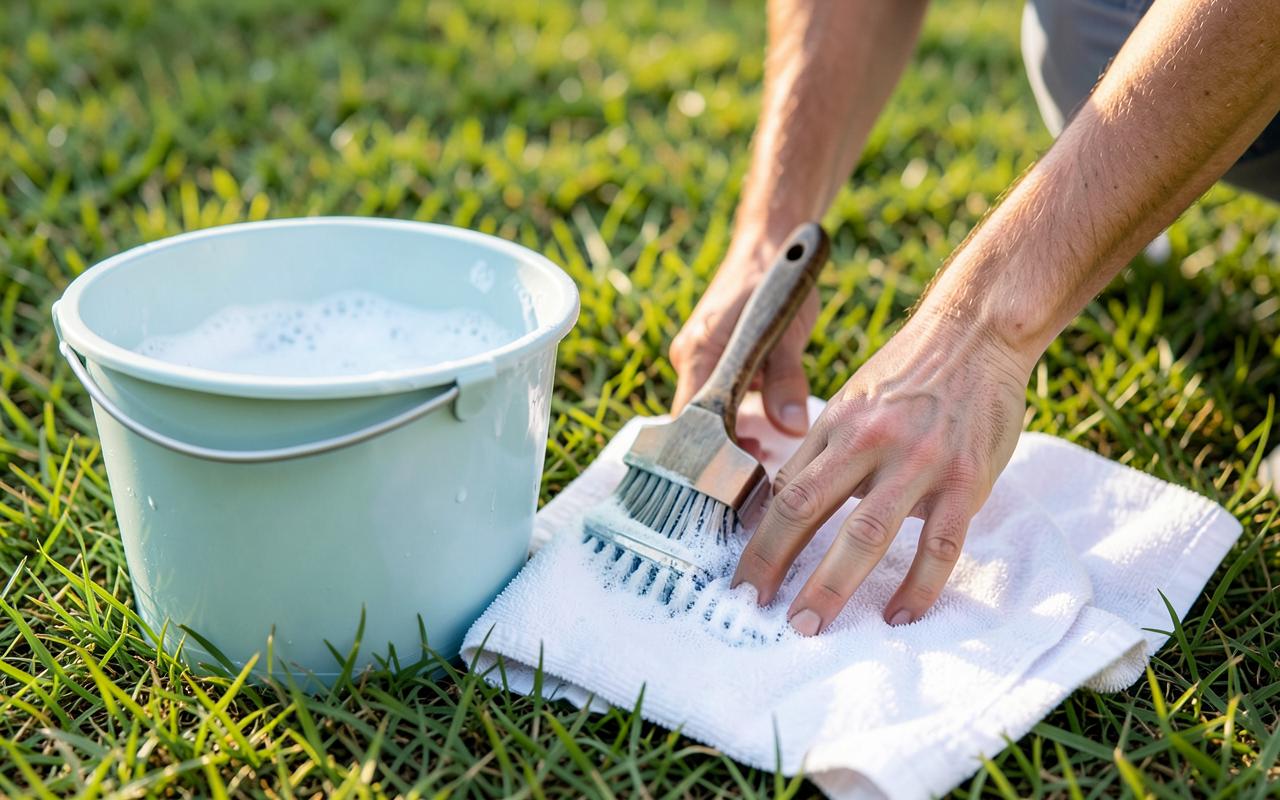
A plastic bucket or a dedicated washbasin is ideal. Avoid using high-walled porcelain sinks if possible, as the heavy metal clubheads can easily chip the finish or leave metallic streaks. A plastic bucket allows you to submerge the clubheads safely without worrying about damaging your home fixtures.
Safe Cleaning Agents and Solutions
The best cleaning agent for golf clubs is a mild dish soap. These soaps are designed to cut through grease and organic matter without being acidic enough to damage the epoxy or the finish of the club. Avoid using harsh chemicals like bleach, ammonia, or industrial degreasers, as these can react poorly with certain clubhead materials and ferrules.
Brushes and Towels: What to Use and What to Avoid
A soft-to-medium bristle brush is essential. An old toothbrush is perfect for getting into the tight corners of the grooves. For more stubborn dirt, a plastic-bristled scrub brush works well. You should generally avoid using heavy-duty wire brushes on clubs with sensitive finishes (like black PVD or copper plating), as they can leave permanent scratches. For drying, a clean microfiber towel is superior to standard cotton, as it absorbs moisture more effectively and won't leave lint behind.
Step-by-Step Guide to Cleaning Irons and Wedges
Irons and wedges take the most abuse during a round, often digging into the turf and collecting deep-seated dirt. A systematic approach ensures no debris is left behind.
Preparing the Soaking Solution
Fill your bucket with lukewarm water. The water should be deep enough to cover the clubheads but shallow enough that it does not reach the ferrules (the plastic pieces where the shaft meets the head). Add a few drops of mild dish soap and stir until you have a light foam.
The Soaking Process: How Long is Too Long?
Place your irons in the bucket and let them soak for 5 to 10 minutes. This gives the soapy water time to penetrate and loosen dried mud. Do not leave your clubs soaking overnight or for extended periods, as prolonged exposure to water can occasionally affect the bond of the epoxy or seep into the shaft if there are any micro-cracks.
Scrubbing Techniques for Deep Groove Cleaning
After soaking, take each club individually and use your brush to scrub the face. Pay particular attention to the grooves. Brush horizontally along the line of the groove to ensure you are reaching the bottom. If you encounter stubborn bits of sand, use a wooden tee or a plastic pick to gently dislodge them. Avoid using metal nails or screwdrivers, which can gouge the metal.
Rinsing and Thorough Drying Procedures
Rinse the clubhead under a stream of fresh, cool water to remove all soap residue. This is a critical step; dried soap can attract more dirt during your next round. Finally, dry the clubhead immediately with your microfiber towel. Ensure you dry the back of the club, the hosel, and the face. Never put a wet club back into a golf bag, as the trapped moisture will create an environment ripe for rust.
Special Care for Metal Woods and Drivers
Drivers, fairway woods, and hybrids require a different touch. Their construction is often hollow and utilizes multiple materials like carbon fiber and titanium.
Why You Should Avoid Submerging Woods
You should never submerge a driver or fairway wood in a bucket of water. Modern woods often have adjustable weights, ports, or composite crowns that are not necessarily designed for total immersion. Water can get trapped inside the head, causing an annoying rattle or affecting the internal weighting.
Cleaning Modern Crown Finishes and Face Plates
To clean a wood, use a damp cloth with a small amount of soapy water to wipe down the face and the sole. For the crown (the top of the club), use a clean, damp microfiber cloth. Many modern crowns have matte or high-gloss finishes that can be scratched by abrasive brushes. If there are scuff marks (often called "sky marks") on the crown, a very gentle application of a non-abrasive magic eraser can sometimes help, but use extreme caution.
Maintaining Adjustable Hosels and Weights
If your driver has an adjustable hosel, check periodically to ensure no sand has worked its way into the mechanism. You can use a dry toothbrush to flick away dust. Do not use oils or lubricants in the hosel unless specified by the manufacturer, as these can attract grit and make adjustments difficult.
How to Clean Golf Putter Heads and Inserts
The putter is the most delicate tool in the bag and often features specialty finishes that require extra care.
Caring for Milled Surfaces
Milled putters feature fine patterns etched directly into the metal. These patterns can trap moisture and oils from your hands. Wipe the putter down with a damp cloth after every round. If it is a carbon steel putter, ensure it is completely dry and consider applying a very light coating of silicone spray or baby oil to prevent surface oxidation.
Cleaning Soft Polymer Inserts
Many modern putters use urethane or polymer inserts for a softer feel. These materials are porous. Avoid using harsh solvents that could cause the polymer to dry out or crack. A simple wipe with warm, soapy water is all that is needed to keep the insert clean.
Preserving Specialty Finishes and Platings
Oil-can, copper, or blue-tinted finishes are prone to fading or changing color over time. The best way to preserve these is to minimize the use of soap and focus on keeping them dry. Always keep the headcover on when the putter is not in use to prevent “clatter” marks from other clubs.
Maintaining Golf Club Grips for Maximum Traction
Grips are arguably the most overlooked part of club maintenance. A slick grip causes you to hold the club tighter, leading to tension in the forearms and a poor swing.
Removing Oils and Sweat Buildup
Over time, the oils from your skin, sweat, and sunscreen build up on the grip, creating a glazed surface. To clean them, use a washcloth with warm, soapy water and scrub the entire surface of the grip. You will likely see the water turn grey as the grime is lifted.
The Benefits of Regular Grip Washing
Cleaning your grips once every month (or more frequently in hot climates) can significantly extend their lifespan. Regular washing restores the "tacky" feel of the rubber, allowing you to maintain a light grip pressure, which is essential for a fluid swing.
Drying Tips to Prevent Rubber Degradation
After scrubbing, rinse the grips quickly under a tap and pat them dry with a clean towel. Do not leave them in direct sunlight to dry, as UV rays can accelerate the breakdown of the rubber compounds. Let them air dry in a cool, indoor environment.
Cleaning Golf Club Shafts: Steel vs. Graphite
Shafts are the engine of the club and need to be free of debris to ensure they flex as designed.
Removing Surface Grime from Steel Shafts
Steel shafts are relatively low maintenance. Wipe them down with a damp cloth to remove sweat and dirt. If you notice small rust spots (pitting), you can often remove them by very gently rubbing with a fine grade of steel wool and a bit of chrome polish, but be careful not to over-scrub.
Inspecting and Cleaning Graphite Shafts
Graphite shafts have a clear coat or paint layer that protects the carbon fibers. Use only a soft cloth and water to clean these. Avoid anything abrasive, as a deep scratch in the clear coat can lead to a fracture in the graphite layers. If the shaft feels sticky from bag wear, a gentle wipe with a damp cloth should suffice.
Identifying Signs of Structural Wear During Cleaning
Cleaning is the perfect time to inspect your shafts for safety. Look for dents or kinks in steel shafts and vertical cracks or splintering in graphite shafts. If you find any structural damage, the club should not be played until the shaft is replaced.
Post-Clean Protection and Storage Tips
How you store your clubs after cleaning is just as important as the cleaning itself.
The Importance of a Dry Golf Bag
If you played in the rain, don't just clean the clubs; you must dry the bag. Take everything out and leave the bag open in a dry area. If the dividers inside the bag are damp, they will transfer that moisture to your clean clubs, leading to rust on the shafts and heads.
Using Headcovers Effectively
Headcovers are for more than just show; they protect the soft metals of your woods and putters from the hard edges of your irons. Ensure your headcovers are also clean and dry before putting them back on your clubs.
Optimal Temperature for Long-Term Storage
Avoid storing your clubs in the trunk of your car for extended periods. The extreme heat in a summer trunk can break down the glues and epoxies that hold the clubhead and grip in place. A climate-controlled environment, like a garage or a closet, is best.
On-Course Maintenance: Keeping Clubs Clean During Play
Proactive care during your round makes the deep-cleaning process much easier later on.
The Value of a Wet Towel During the Round
The best habit a golfer can develop is carrying a towel with one wet corner and one dry corner. After every shot, wipe the clubhead with the wet side to remove fresh mud and then dry it with the other side. This takes five seconds and keeps your grooves perfectly clear for the next hole.
Clearing Grooves Between Shots
If you are playing in heavy clay or sandy conditions, your towel might not be enough. Keep a plastic tee in your pocket to quickly run through the grooves if you notice debris buildup before a crucial approach shot.
Managing Moisture in Rainy Conditions
During rain, your goal is to keep the grips as dry as possible. Use an umbrella and keep a dry towel tucked inside the ribs of the umbrella where it won't get wet. Wiping the face of the club before a shot in the rain is also vital to prevent the ball from "skidding" up the face.
Frequently Asked Questions
Can I use dish soap to clean my golf clubs?
Yes, mild dish soap is the recommended cleaning agent for golf clubs. It is effective at breaking down organic dirt and oils without containing harsh acids that might damage the club's finish or the epoxy bond.
How often should I clean my golf clubs?
Ideally, you should wipe your clubs after every shot. For a thorough deep clean using the bucket method, once every few weeks is sufficient for the average golfer, or more often if you play in muddy or sandy conditions.
Is it safe to use a wire brush on my irons?
While wire brushes are effective at removing stubborn dirt, they can scratch the finish of many modern clubs. It is safer to use a nylon or plastic-bristled brush. If you must use wire, use it only on the face of stainless steel irons and avoid the polished or painted areas.
Should I soak the entire club including the ferrule?
No. You should only soak the clubhead itself. Try to keep the water level below the ferrule (the plastic collar). While modern epoxies are strong, prolonged exposure to water at the entry point of the shaft can eventually lead to moisture-related issues.
How do I remove rust spots from chrome club heads?
Small surface rust spots can often be removed with a bit of chrome polish or a very gentle rub with a fine-grade steel wool. However, if the rust is deep, it may indicate that the plating has failed, and the club may need professional refinishing.
Will cleaning my grips make them feel new again?
Cleaning will remove the oils and dirt that make grips feel slick, which often restores a significant amount of the original tackiness. However, if the rubber has become hard, cracked, or physically worn down, no amount of cleaning will replace the need for regripping.
Conclusion
Maintaining your golf clubs is a fundamental part of the game that pays dividends in both performance and equipment longevity. By spending a few minutes after each round or a half-hour once a month for a deep clean, you ensure that your irons provide maximum spin, your woods stay pristine, and your grips offer the traction needed for a confident swing. With simple household items and the right technique, you can keep your gear in peak condition for years to come.
What we like
- Clear spec differences that affect ball flight
- Options across a wide price range
- Widely available in US retail
Things to consider
- Fitting matters more than model names
- Premium tiers add cost for small gains
- Stock and pricing vary by season
Frequently asked questions
Parspun Editorial Team
The Parspun editorial team writes plain-English gear guidance for everyday golfers, focused on specs, fit and value rather than hype.
Get the next guide first
Occasional emails with new gear guides. Double opt-in, unsubscribe anytime.


