How to Care for Golf Shoes: A Comprehensive Maintenance Guide
Properly maintaining your golf shoes is critical for preserving comfort, traction, and waterproofing. This guide covers post-round rituals and deep-cleaning techniques.
Parspun is reader-supported. When you buy through links on our site, we may earn an affiliate commission at no extra cost to you.
Parspun publishes independent golf advice. Some pages on this site contain affiliate links.
The Importance of Regular Golf Shoe Maintenance
Golf footwear represents one of the most significant investments in a player's wardrobe. Unlike standard athletic sneakers, golf shoes are engineered to provide lateral stability, moisture protection, and rotational traction. Neglecting maintenance doesn't just make them look worn; it actively degrades these performance features. Understanding how to care for golf shoes is essential for any golfer who wants their gear to last through multiple seasons.
Preserving Waterproof Capabilities
Many high-end golf shoes feature waterproof membranes or treated leather uppers. Over time, the buildup of dirt, sand, and grass chemicals can clog these pores or erode the protective coatings. When dirt is left on the surface, it acts like sandpaper, slowly grinding away at the water-repellent finish. Regular cleaning ensures these barriers remain intact, keeping your feet dry during early morning rounds or unexpected rain showers.
Maintaining Outsole Traction and Stability
The traction system is the engine room of the golf shoe. Whether you wear spiked or spikeless designs, debris accumulation reduces the grip available during your swing. Caked mud and grass fill the gaps between lugs, turning a high-performance shoe into a slippery flat. By keeping the outsoles clean, you ensure that the shoe can properly engage with the turf, providing the stability needed for a powerful, balanced swing.
Extending Material Longevity
Materials like full-grain leather are skin; they require moisture and protection to stay supple. If leather is allowed to dry out after getting wet without proper conditioning, it will crack and lose its shape. Similarly, synthetic mesh can become permanently stained or frayed if abrasive particles are left to settle in the fibers. Routine maintenance prevents the premature breakdown of these materials, significantly extending the lifespan of the footwear.
Essential Supplies for Your Cleaning Kit
Before beginning a cleaning routine, it is helpful to assemble a dedicated kit. Having the right tools on hand makes the process faster and more effective.
Soft and Firm Bristle Brushes
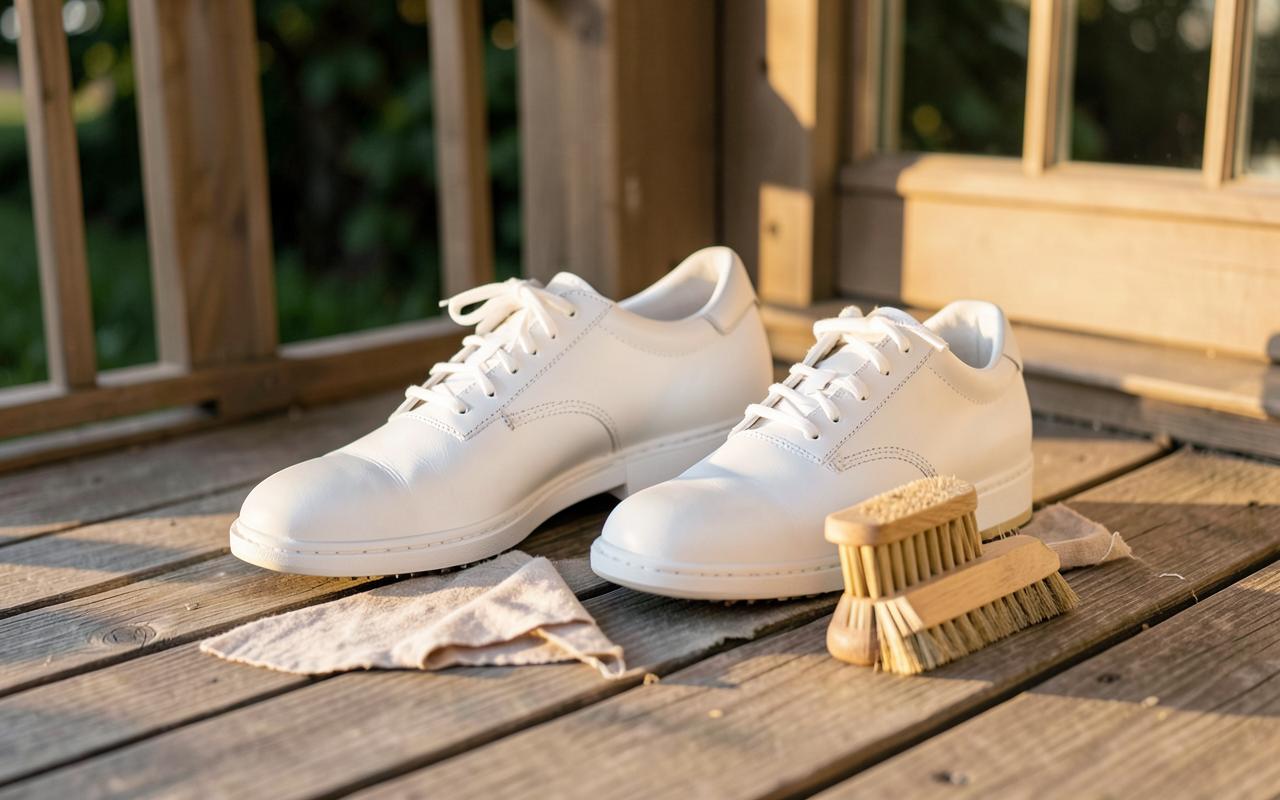
You should have at least two types of brushes. A firm-bristled brush is necessary for the outsoles to dislodge stubborn mud and gravel. For the uppers, especially leather or delicate mesh, a soft-bristled brush (such as a horsehair brush) is vital to prevent scratching or damaging the finish.
Microfiber Cloths and Sponges
Microfiber cloths are excellent for wiping down uppers and absorbing excess moisture without leaving lint behind. A standard sponge is useful for applying cleaning solutions to larger surface areas, while a small detail brush or even an old toothbrush can reach tight spots around the eyelets and tongue.
Leather Conditioners and Protectants
For leather shoes, a quality conditioner is non-negotiable. It replaces the natural oils that are lost through cycles of wetting and drying. Additionally, a water-repellent spray can be used to bolster the factory-applied coating, though it should only be applied to a completely clean and dry shoe.
Mild Cleaning Solutions
Avoid harsh household detergents or bleach, which can strip colors and ruin technical fabrics. A dedicated footwear cleaner or a very mild solution of warm water and a few drops of pH-neutral dish soap is usually sufficient for most golf shoe materials.
The Post-Round Cleaning Routine
The best time to care for your shoes is immediately after you walk off the 18th green. Allowing debris to sit overnight makes it much harder to remove later.
Removing Grass and Debris Immediately
Most golf courses provide an air hose or a heavy-duty brush station near the clubhouse. Use these tools to remove the bulk of grass clippings and loose soil from the outsoles. This prevents you from tracking dirt into your vehicle and stops the drying process of mud, which can be harder to remove once it hardens.
Wiping Down Uppers After Play
Once you reach your car or home, take a damp microfiber cloth and wipe down the entire upper. This removes dust and any chemical fertilizers or pesticides that are commonly used on golf courses. These chemicals can be particularly corrosive to both leather and synthetic materials if left to sit.
Addressing Moisture and Dampness
If the round was particularly wet, remove the insoles immediately. This allows air to circulate inside the shoe. Do not leave wet shoes in a trunk or a plastic bag, as this creates a breeding ground for bacteria and mold, which leads to permanent odors and material degradation.
Deep Cleaning Techniques for Different Materials
Every few rounds, or after a particularly muddy outing, your shoes will require a more thorough cleaning. The approach depends entirely on the construction material.
Treating Natural Leather Uppers
Leather requires a gentle touch. Start by brushing away loose dust with a soft brush. Apply a small amount of leather cleaner to a damp cloth and rub in a circular motion. Once clean, wipe away any residue with a dry cloth. After the leather is dry, apply a conditioner to keep it soft and prevent cracking. Buff the leather with a dry cloth to restore its natural luster.
Cleaning Synthetic and Mesh Fabrics
Synthetic materials are often more porous than leather. Use a soft brush and a mild soapy solution to gently scrub the mesh. Be careful not to pull at the fibers. For white mesh that has become discolored, a paste of baking soda and water can sometimes help lift stains, but always test a small, inconspicuous area first. Rinse with a damp cloth rather than running the shoe under a faucet to prevent soaking the internal padding.
Care for Suede and Nubuck Details
Suede is the most temperamental material. Never use water to clean suede. Instead, use a specialized suede brush to lift the nap and remove dirt. For stains, a suede eraser can be used to gently rub out the mark. If suede gets wet, let it dry naturally and then brush it to restore the texture.
Optimizing Internal Hygiene and Comfort
The inside of the shoe is just as important as the outside. Perspiration can degrade the interior lining and lead to discomfort.
Managing Insole Moisture and Odor
Insoles absorb a significant amount of sweat during a four-hour round. Removing them after every game allows them to air out. If they start to smell, they can usually be hand-washed with mild soap and air-dried. If they lose their cushioning or become permanently compressed, replacing them with aftermarket insoles can give your shoes a second life.
Replacing Laces for a Fresh Look
Laces are often the first part of the shoe to look dingy. They can be removed and soaked in a cleaning solution or simply replaced. New laces are an inexpensive way to make an older pair of shoes look significantly newer.
The Role of Cedar Shoe Trees
Using cedar shoe trees is perhaps the single most effective way to maintain shoe shape. Cedar absorbs moisture and odors while providing the structural tension needed to prevent the leather from collapsing and wrinkling as it dries. Insert them as soon as you get home from the course.
Outsole and Cleat Maintenance
The bottom of the shoe is where the performance happens. Proper care here ensures consistent turf interaction.
Cleaning Mud from Spiked and Spikeless Soles
Use a stiff brush and warm soapy water to clean the entire outsole. For spikeless shoes, ensure the small lugs are free of packed dirt, as this is what provides the grip. For spiked shoes, pay attention to the areas around the cleat receptacles, as dirt here can make it difficult to change spikes later.
Checking for Cleat Wear and Tear
Inspect your spikes regularly. When the traction points become rounded or worn down to the indicator line (if present), they need to be replaced. Worn spikes offer significantly less grip and can cause your foot to slip during high-torque movements.
Safe Removal and Replacement Processes
When replacing spikes, ensure the receptacle is completely clean. Use a dedicated cleat wrench to avoid stripping the plastic. A small drop of water or a specialized lubricant can help the new spike thread in easily. Do not over-tighten, as this can crack the outsole plate.
Drying and Storage Best Practices
How you store your shoes between rounds is just as important as how you clean them.
Why to Avoid Direct Heat Sources
Never place your golf shoes near a radiator, fireplace, or under a hair dryer. Excessive heat causes leather to become brittle and can melt the adhesives used to bond the sole to the upper. This lead to sole separation, which is often unrepairable.
Proper Air-Drying Techniques
The best way to dry shoes is at room temperature in a well-ventilated area. If the shoes are soaking wet, stuff them with crumpled newspaper or paper towels to absorb the internal moisture. Change the paper every few hours until the shoes are merely damp, then insert shoe trees to finish the process.
Ideal Temperature and Humidity for Storage
Store your golf shoes in a cool, dry place. A closet inside your home is much better than a garage or a car trunk, where temperature fluctuations and humidity can be extreme. Consistent conditions prevent the materials from expanding and contracting, which preserves the glue bonds.
Seasonal Care and Long-Term Protection
For those who live in climates with an off-season, proper storage is vital for ensuring your shoes are ready for the spring.
Winter Storage Preparation
Before putting your shoes away for the winter, give them a deep clean and condition. Ensure they are 100% dry. Store them with shoe trees or stuffed with tissue paper to maintain their shape. Placing them in a breathable cloth shoe bag can help protect them from dust while allowing air to circulate.
Re-applying Water-Repellent Treatments
At the start of a new season, it is a good idea to test the water resistance of your shoes. If water no longer beads on the surface, apply a new coat of water-repellent spray. Follow the manufacturer's instructions closely, applying the spray in a well-ventilated area and allowing it to cure completely before use.
Rotating Pairs to Prevent Premature Wear
If you play more than twice a week, consider rotating between two pairs of shoes. This gives each pair a full 24 to 48 hours to dry completely and recover its shape. Rotation significantly slows down the mechanical breakdown of the foam cushioning and the leather uppers.
Selection Criteria for Maintenance Products
When selecting cleaning products, always prioritize those formulated for the specific material of your shoe. Look for pH-neutral cleaners for leather and non-abrasive tools for synthetic meshes. Avoid products containing silicone if you want to maintain the breathability of technical waterproof membranes.
Frequently Asked Questions
How often should I clean my golf shoes?
You should perform a light cleaning (wiping down and clearing the outsole) after every round. A deeper cleaning is recommended every 5 to 10 rounds, or whenever the shoes become visibly soiled or lose their water-beading ability.
Can I put my golf shoes in the washing machine?
It is generally not recommended to put golf shoes in a washing machine. The agitation can damage the structural components, and the excessive water can ruin leather or weaken the adhesives holding the sole together. Hand cleaning is much safer and more effective.
What is the best way to dry wet golf shoes after a rainy round?
Remove the insoles and stuff the shoes with newspaper to draw out moisture. Let them air dry at room temperature away from direct heat. Once they are mostly dry, insert cedar shoe trees to help them retain their shape and finish the drying process.
Do I need to use shoe trees for golf shoes?
While not strictly mandatory, shoe trees are highly recommended, especially for leather golf shoes. they prevent the leather from curling and wrinkling as it dries, which keeps the shoes comfortable and prevents the material from cracking over time.
How do I know when it is time to replace my golf shoes?
Signs that you need new shoes include permanent loss of waterproofing, visible separation of the sole from the upper, or a noticeable decline in cushioning and support. If you have spikeless shoes and the lugs are worn flat, or if the spike receptacles on spiked shoes are stripped, it is time for a new pair.
Conclusion
Learning how to care for golf shoes is a fundamental skill for any dedicated golfer. By implementing a simple post-round routine, using the correct cleaning materials for specific fabrics, and following proper drying and storage protocols, you can ensure your footwear remains a reliable asset on the course. Well-maintained shoes not only look better but also provide the consistent traction and comfort necessary to play your best golf for many rounds to come.
What we like
- Clear spec differences that affect ball flight
- Options across a wide price range
- Widely available in US retail
Things to consider
- Fitting matters more than model names
- Premium tiers add cost for small gains
- Stock and pricing vary by season
Frequently asked questions
Parspun Editorial Team
The Parspun editorial team writes plain-English gear guidance for everyday golfers, focused on specs, fit and value rather than hype.
Get the next guide first
Occasional emails with new gear guides. Double opt-in, unsubscribe anytime.


